Galaxy of Art & Design
- gunikatalwar20
- Feb 27, 2021
- 3 min read
Updated: Mar 27, 2021
PRE - WORK
The Starry Night:

NAME: the starry night
MATERIAL: oil paints
ARTIST: Vincent Van Gogh
DATE AND PLACE OF MAKING: 1889, France
CURRENT LOCATION: Museum of Morden art
DIMENSION: 73.7 cm × 92.1 cm
Girl with a Pearl Earring
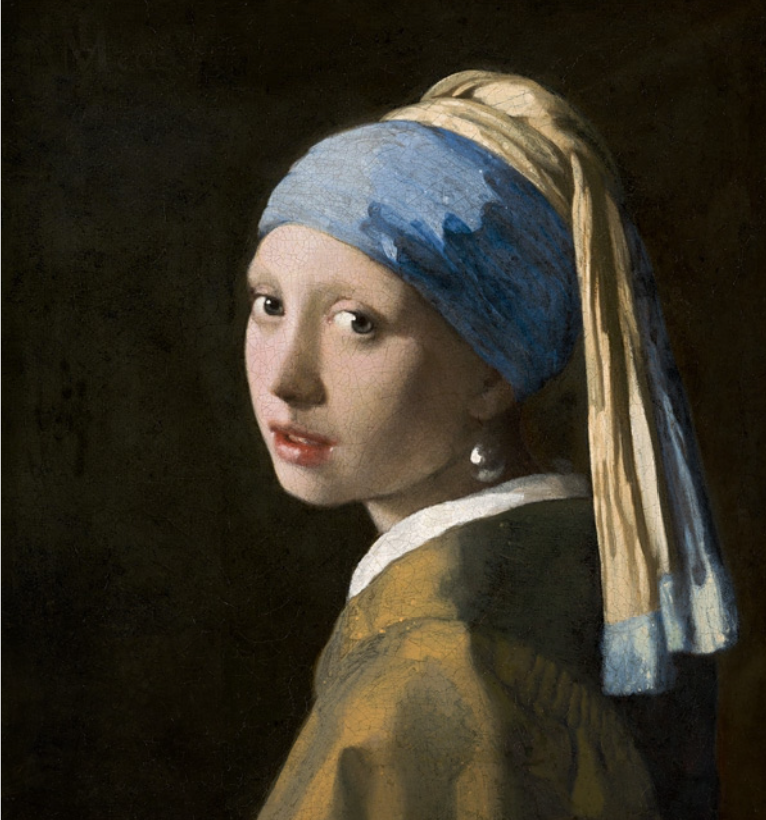
NAME: Girl with a Pearl Earring
MATERIAL: Oil Paint
ARTIST: Johannes Vermeer
DATE AND PLACE OF MAKING: 1665; Mauritshuis, The Hague.
CURRENT LOCATION: Mauritshuis museum
DIMENSION: 44 cm x 39 cm
Flaming June

NAME: Flaming June
MATERIAL: Oil Paint
ARTIST: Frederic Leighton
DATE AND PLACE OF MAKING:1895 ,Las Américas in Ponce, Puerto Rico
CURRENT LOCATION: Museo de Arte de Ponce
DIMENSION: 1.2 m x 1.2 m
WEEK 1
WARM UP
In the warmup exercise, we needed to talk about our opinion about art and design and we were given a few trigger questions to help us think about what art really is and how it affects our perception of the world. We made slides to show our opinion on various aspects of art and all of us had different views and opinions towards it.

Main Inquiry
1. Plan


LINK TO GOOGLE SLIDE
MY RESEARCH ON NORTHERN INDIA ( 1000AD - 1200 AD)
DAY 2 & 3 RESEARCH WORK

ARCHITECTURE AND TEMPLES

FOOD AND LIFESTYLE

SCULPTURES

DYNASTIES


DANCE FORMS


LINK TO MIRO
VISUAL ORGANISER


Phase 2
Visual Language
Assigned architecture -
Qutub minar
North India
1193AD
Figure of a goddess in pink sandstone.
Material- Red sandstone and White marble

Step-1 OBSERVE & ANALYSE

LINK TO MIRO
Step-2 INTERPRET

Qutub Minar is one of the highest minarets in India with a height of 73 metres. It is a UNESCO World Heritage Site and the tallest brick minaret in the world. This 12th-century minaret is considered as the earliest Islamic structure in India with both Arabic and Brahmi inscriptions.The base of the Qutub Minar measures 14.32 meters and the top of the structure measures 2.75 meters.
Built as a symbol of victory for Muslim invaders over the Hindu land, Qutub Minar served as a victory tower when Muhammad Ghori took over the Rajput king, Prithviraj Chauhan, in 1192.
The first three storeys are made of red sandstone; the fourth and fifth storeys are of marble and sandstone. At the foot of the tower is the Quwwat-ul-Islam Mosque, the first mosque to be built in India.
STEP-3 RE-CREATE
some how i was not able to post the recreate video here so I have uploaded on youtube. the link is given below
Sharing a glimpse here


ABSTRACT:

Medium used - BOLD MAKERS
Using bold markers with different shade really made my work beautiful and easier.
Lines - Mostly I have used straight lines in the abstract recreation, keeping in mind the natural essence of the architecture .
Details - Originally there were not any details while making abstract drawing. It was way easier than I thought.
Step-4 PRESENT


Step-5 CONCLUDE
Here's my final understanding of QUTUB MINAR
It is the highest stone tower in India. It is a little over 72 meters high and built in Red Sandstone. It contains 379 stairs to reach the top and the diameter of base is 14.3 meters where as the last store is of 2.7 meters.
The walls of the minar intricately carved and inscribed with verses from the holy Quran. Qutub Minar is also a significant historical monument. It is a UNESCO World Heritage Site.
The construction of Qutub Minar was started by Qutub-ud-din-Aibek in 12th century. But it was completed by his successor Iltutmish. It is often viewed as a symbol of the military might of the Turko-Afghan dynasty.
VISUAL AND MATERIAL CULTURE
STEP 1


STEP 2
Similarities & dissimilarities between each categories


VISUAL BOARD

MIRO LINK
Step -3
Reflective Writing
One of things I noticed during this task was that people were devoted towards their religion and religious practices. Not everyone used to worship Rama and Krishna until 11th and 12th century.
Sometimes people combine popular movements with their own thinking and beliefs leading to the emergence of new creative expressions for instance Religious interpretation.Everyone has different perspective when it comes to religious beliefs.Special festivals had folk dances.
The sculptures that were made during that time were either grey or pink in colour due to alluvial soil present in northern India.
Men and women wore traditional clothes which was changed after Iranians invaded India.
Talking about the architecture and paintings and sculptures they were always filled with heavy jewellery, ornaments and beautiful minute detailing. Rich women used to wear gold and silver and used bindi as a decoration, this differentiated the upper and lower class at that time
Phase 3
Realisation: Group Discussions
Group Discussion-1Monday


*WORK DONE BY GUNIKA TALWAR AND DANIA USMANI*
Group Discussion-2 Tuesday


*WORK DONE BY GUNIKA TALWAR AND DANIA USMANI*
Group Discussion-3 Wednesday
Presentation on Art and Design


Comments